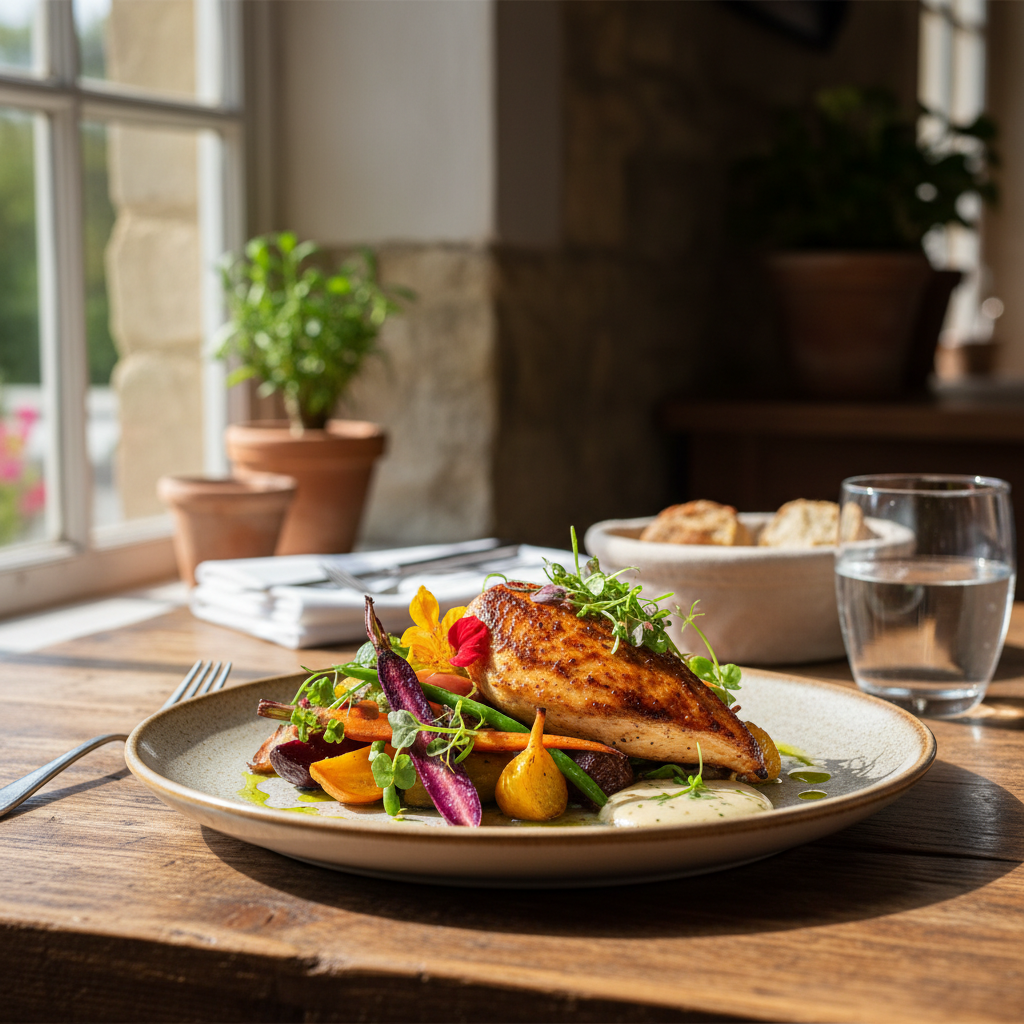
Collingwood's food scene has matured significantly over the past decade. What was once a town where dining options were limited to pub fare and a few family restaurants has become one of the more interesting food destinations in Ontario outside of Toronto. The growth has been driven by a combination of factors: the agricultural land surrounding the town, an influx of chefs who traded city kitchens for a better quality of life, and a population of residents and visitors who are willing to pay for quality food.
The result is a dining landscape that punches well above its weight for a town of about 24,000. You can eat farm-to-table one night, craft barbecue the next, and follow it with Thai or Italian without leaving the downtown core. The craft beer and cider scene has grown alongside the restaurants, and several breweries have become destinations in their own right.
The Downtown Restaurant Scene
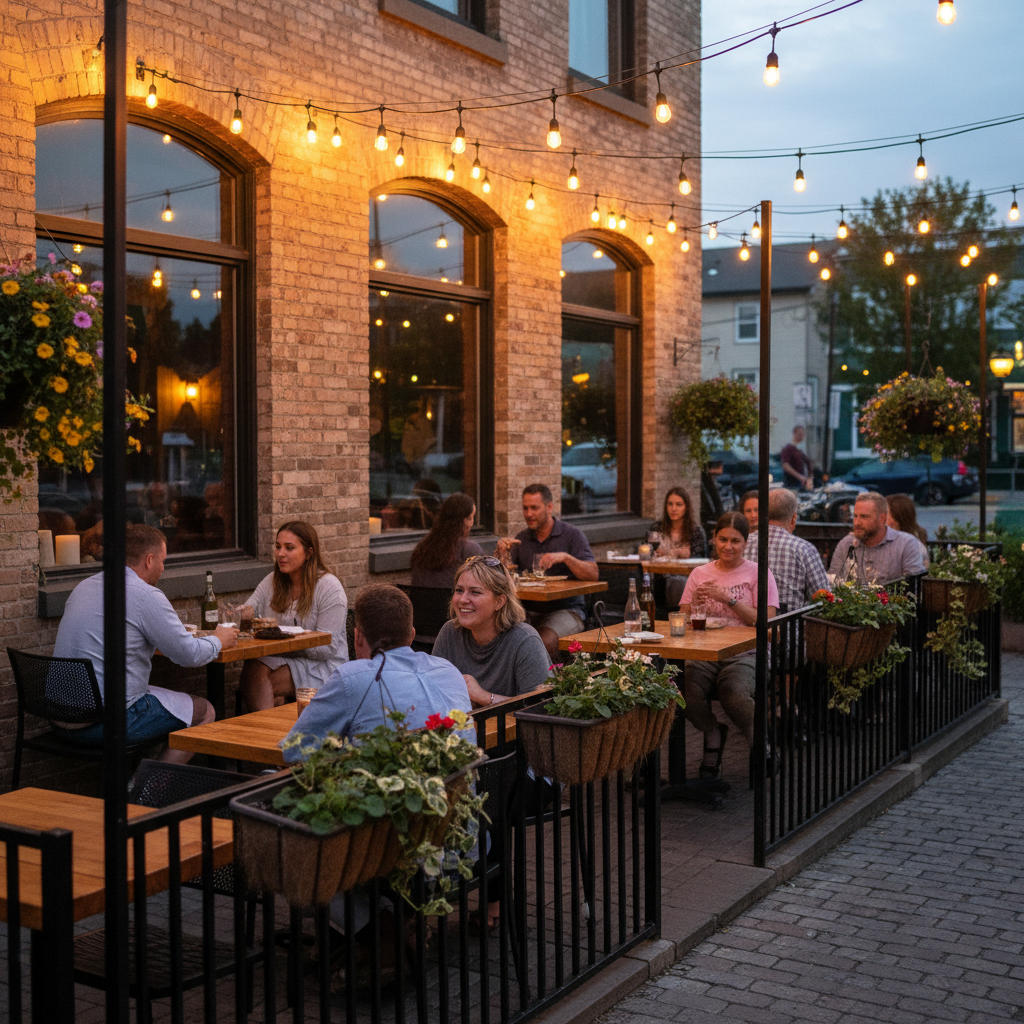
Hurontario Street is the backbone of Collingwood's dining scene. The main street and the blocks immediately surrounding it are home to the highest concentration of restaurants, and the variety is impressive. You will find white-tablecloth dining with carefully composed plates, casual bistros with creative menus, sushi bars, pizzerias, and taco spots all within walking distance of each other.
Several restaurants in the downtown area focus explicitly on local sourcing. The farms in Clearview Township, the orchards near Thornbury, and the waters of Georgian Bay all contribute ingredients to menus that change with the seasons. Spring brings ramps and asparagus. Summer menus feature Ontario corn, tomatoes, and fresh herbs. Fall is harvest season, with root vegetables, apples, and squash featuring prominently. Winter menus lean into comfort food, braised meats, and hearty preparations that suit the cold weather.
The patio scene is a major part of the dining experience from June through September. Restaurants along Hurontario Street open their front patios, and on a warm evening the main street has the feel of a small European town. People linger, move between restaurants for a drink and a bite at different spots, and enjoy the warm air until well after dark.
Craft Breweries and Cideries
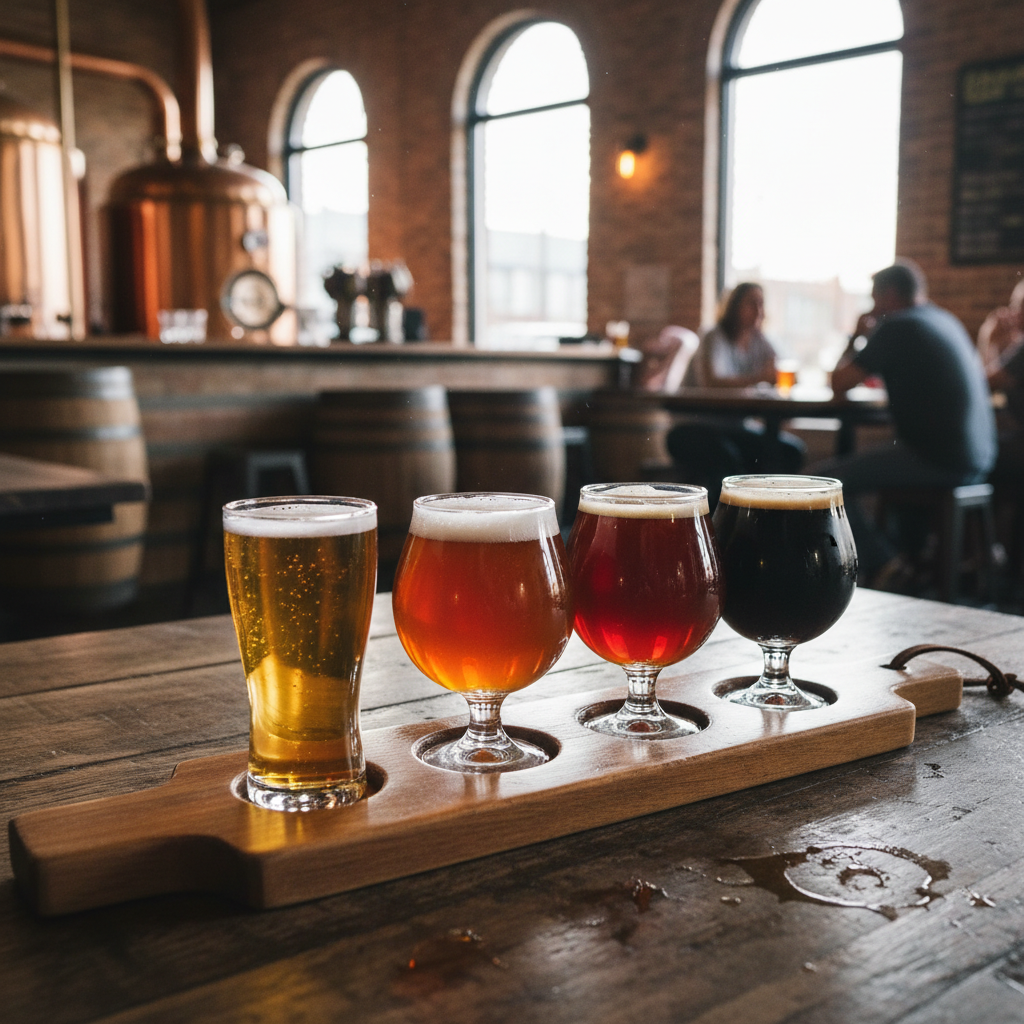
Collingwood and the surrounding area have become a hub for craft beverages. The Collingwood Brewery has been around the longest and is a local institution. Their flagship beers are available at restaurants and bars across the region, and the brewery itself is open for tours and tastings. Several newer operations have joined the scene, each with their own approach and personality.
Side Launch Brewing in Collingwood has earned a strong following for its well-crafted core lineup, and the brewery is a popular stop for visitors. The Northwinds Brewhouse and Kitchen combines a working brewery with a full restaurant, making it a single-stop destination for both food and drink. Further afield, the cider producers in the Beaver Valley and Thornbury use local apples to create a range of dry, semi-dry, and fruit-forward ciders that pair beautifully with the region's food.
A brewery or cidery tour is a popular day activity, and several operations are within easy driving distance of each other. The nightlife guide covers the taproom and bar scene in more detail.
Cafes and Coffee
The cafe culture in Collingwood has grown along with the rest of the food scene. Independent coffee shops along the main street serve specialty roasts, espresso drinks, and pastries made in-house. Several have become morning gathering spots for locals, with the kind of relaxed atmosphere that encourages a second cup and a longer conversation. Good baked goods are a theme, with croissants, scones, and seasonal treats appearing at bakery-cafes around town.
For breakfast and brunch, a few spots have developed strong followings. Weekend brunch can mean a wait at the most popular places, but the food is worth it. Egg dishes with local ingredients, house-baked bread, and fresh-squeezed juice are common themes. The quality of the morning meal options has become another reason people look forward to spending weekends in Collingwood.
Blue Mountain Village Dining
The village at the base of Blue Mountain adds another cluster of dining options. The restaurants here skew toward the casual end, with pub-style menus, pizza, and comfort food designed for hungry skiers. A few more upscale options have appeared in recent years, offering a more refined experience without requiring the drive back to the downtown core.
Apres-ski dining at the village is a winter tradition. The combination of cold air, physical exertion, and the social energy of the village creates an appetite and an atmosphere that make even a simple burger and beer feel like a celebration. In summer, the village restaurants shift to patio service, and the pedestrian plaza becomes a pleasant place to eat outdoors.
Farm-to-Table and Local Sourcing
The agricultural land surrounding Collingwood is a genuine asset to the dining scene. The Simcoe County and Grey County farmland produces a wide range of fruits, vegetables, grains, and livestock. Several restaurants have built direct relationships with local farmers, and the menus reflect what is available at any given time of year. This is not farm-to-table as a marketing concept. It is farm-to-table as a practical reality driven by proximity and quality.
The Collingwood Farmers Market is the most visible expression of this local food network. Visiting the market on a Saturday morning gives you a sense of what the restaurants will be cooking that week. The same producers who sell at the market supply many of the kitchens in town.
Where to Start
If you are visiting Collingwood for the first time and want a representative dining experience, start with a walk along Hurontario Street on a summer evening. Browse the menus posted outside, note what catches your eye, and make a decision based on what looks good in the moment. Reservations are recommended at the more popular spots, especially on weekends and during ski season. For a more casual experience, the breweries and pubs are reliably good and typically do not require a reservation.
The nightlife guide covers what happens after dinner. The downtown shopping scene is worth exploring before or after a meal. And the events calendar occasionally includes food-focused events like the Craft Beer Festival and harvest dinners that bring the dining scene together in a communal setting.