Visitor Information for Collingwood: Tips, Timing, and Practical Advice
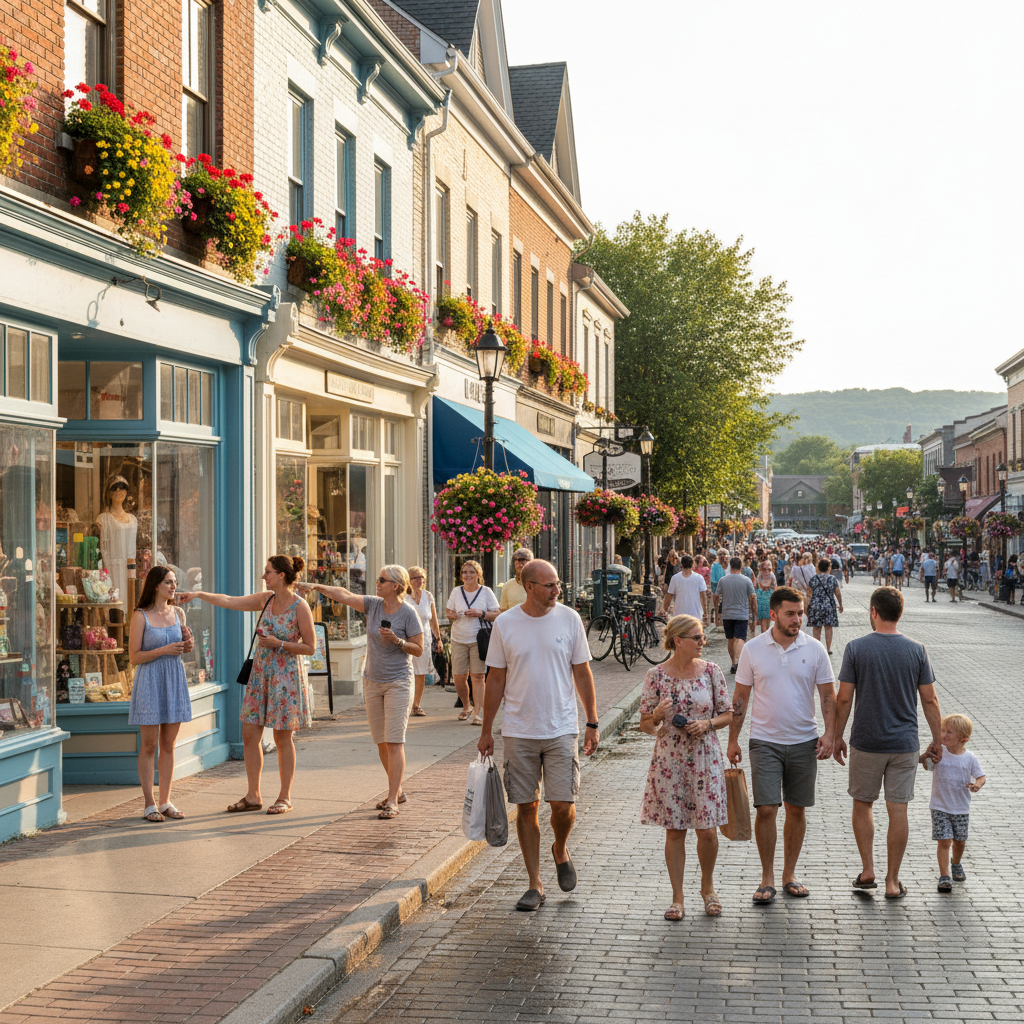
Collingwood is a welcoming town for visitors, but a little planning goes a long way toward making your trip smooth and enjoyable. Whether you are coming for a ski weekend, a summer beach trip, a fall colours drive, or just to see what the town is all about, this guide covers the practical details that will help you make the most of your time here.
Best Times to Visit
Collingwood is a genuine four-season destination, and the best time to visit depends entirely on what you want to do.
Winter (December through March) is peak season for skiing, snowboarding, and snow sports at Blue Mountain. The village buzzes with energy, the slopes are busy, and the town has a festive atmosphere. Expect higher accommodation prices and more crowds on weekends. Midweek visits during ski season offer the best balance of conditions and value.
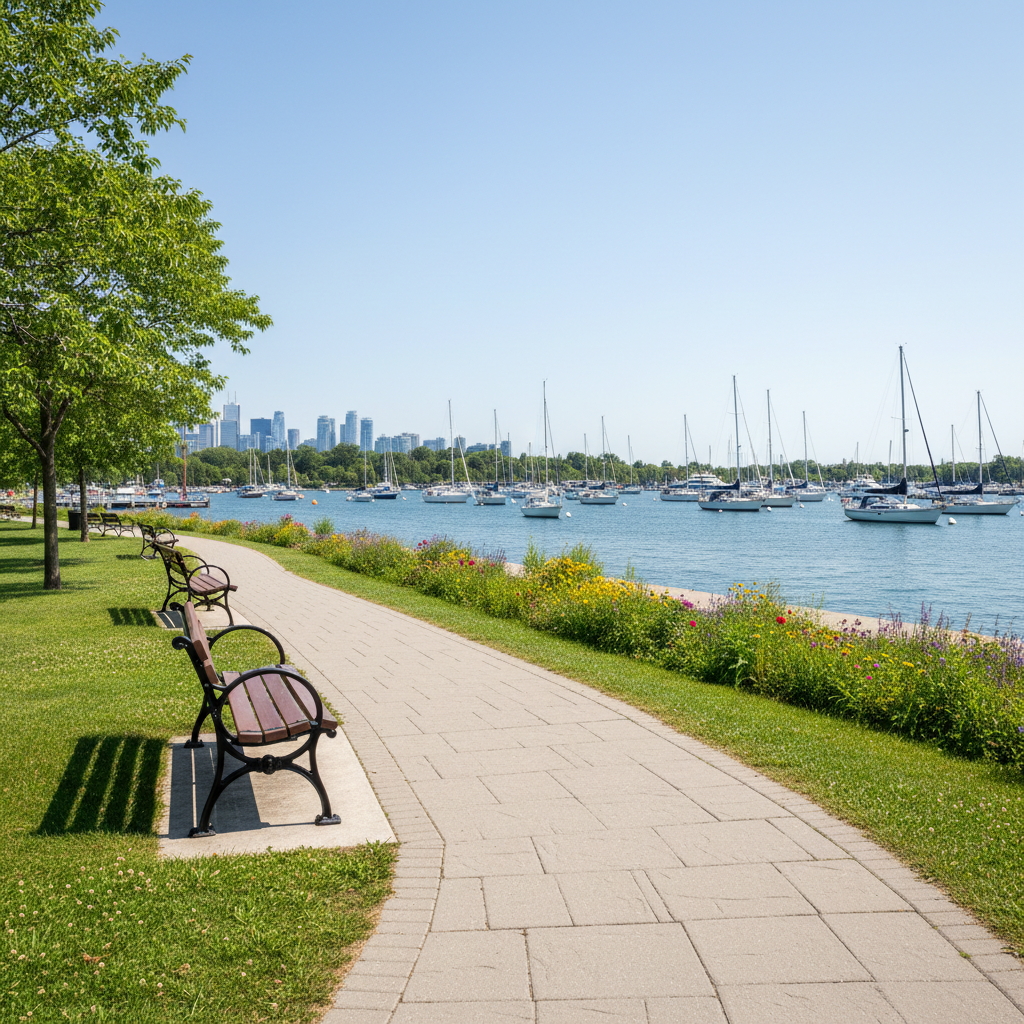
Summer (June through September) brings beach weather, water sports on Georgian Bay, patio dining along Hurontario Street, and the weekly farmers market. July and August are the busiest months, with long weekends being particularly crowded. If you prefer a more relaxed pace, visit in June or September when the weather is still pleasant but the crowds have thinned.
Fall (October and early November) is arguably the most beautiful time to visit. The Niagara Escarpment lights up with fall colours, the hiking is spectacular, and harvest festivals bring apple cider, pumpkin patches, and seasonal food to the forefront. The weather is cool and crisp, perfect for outdoor exploration. Our fall activities guide has specific recommendations.
Spring (April and May) is the quietest season. The snow is melting, the trails are reopening, and the town is gearing up for summer. It is an excellent time for a low-key visit with fewer tourists, lower prices, and the first warm days of the year. Our spring guide covers what is happening during these months.
Parking
Parking in downtown Collingwood is free in most areas, including on-street spots along Hurontario Street and municipal parking lots. During peak summer weekends, holiday events, and festivals, downtown parking can fill up. Arriving early in the morning secures the best spots.
The municipal lots on side streets near Hurontario typically have availability even when the main street is full. Pay attention to any posted time limits or special event restrictions, which are clearly signed.
At Blue Mountain Village, parking is available in large lots near the base of the resort. Parking fees apply during ski season and peak periods. If you are staying at the village, check whether your accommodation includes a parking pass. During the busiest ski weekends, arrive early to secure a spot in the lots closest to the lifts.
For general errands and shopping along First Street, the retail plazas all have their own parking lots with ample space. Parking is rarely an issue outside of the downtown core and the Blue Mountain area.
What to Bring
What you pack depends on the season, but a few items are worth noting regardless of when you visit.
In winter, bring warm layers, a good winter coat, insulated boots, gloves, and a hat. If you are skiing, your own gear is preferable, though rentals are available at Blue Mountain. The cold here is real, with temperatures regularly dropping below minus ten Celsius, and wind off Georgian Bay adds a sharp bite. Do not underestimate it.
In summer, pack sunscreen, a hat, swimwear, and comfortable walking shoes. A light jacket or sweater is useful for cooler evenings, even in July and August. If you plan to hike, bring proper hiking shoes and water. Georgian Bay water temperatures vary but can be cool even in summer, so a towel and a change of clothes are wise if you are heading to the beach.
In fall and spring, layers are your best strategy. Mornings can be cool, afternoons warm, and evenings chilly. Rain gear is practical in spring. Hiking boots are useful for the trails, which can be muddy during the shoulder seasons.
Year-round, bring a camera. The scenery here, whether it is the bay, the escarpment, the downtown streetscape, or a sunset from Sunset Point, rewards anyone who takes the time to look.
Dining and Food
Collingwood has a restaurant scene that surprises most visitors. The downtown core along Hurontario Street is home to a range of options, from casual pubs and pizza spots to upscale dining rooms with locally sourced menus. Blue Mountain Village has its own cluster of restaurants, and the First Street corridor offers chain and independent options.
During peak seasons, dinner reservations at popular restaurants are strongly recommended, especially on Friday and Saturday evenings. Walk-in availability is better for lunch and on weekdays. Our dining guide covers the restaurant scene in more detail.
The Collingwood Farmers Market operates on Saturday mornings during the warmer months (typically May through October) and is worth a visit for fresh produce, baked goods, local meats, and artisan products. It is a great way to start a Saturday morning and pick up supplies for a picnic.
Shopping
Downtown Collingwood has a collection of independent shops, galleries, and boutiques that make for enjoyable browsing. You will find clothing stores, home decor shops, specialty food retailers, bookstores, and gift shops along Hurontario and the surrounding streets. The retail experience here is decidedly local, which is part of its charm. Our shopping guide has recommendations for specific stores and what to look for.
For everyday needs, grocery stores, pharmacies, and big-box retailers are concentrated along First Street and the commercial corridor on the south side of town.
Local Etiquette and Tips
A few things worth knowing to be a good visitor in Collingwood.
- Respect the trails. Stay on marked paths, carry out your trash, and keep dogs leashed where required. The trail system is maintained by volunteers and community organizations.
- Be patient in traffic. During peak weekends, the routes in and out of Blue Mountain and through downtown can slow down. Take it in stride.
- Support local businesses. The independent shops and restaurants are what give Collingwood its character. Spending your money locally helps keep the town vibrant.
- Tipping follows standard Canadian practice: 15 to 20 percent at sit-down restaurants is customary.
- If you are renting a vacation property, be considerate of the neighbours. Noise, parking, and garbage are the most common complaints. Treat the neighbourhood as you would want visitors in your own community to behave.

Planning Your Visit
For help getting here, see our directions and travel guide. For places to stay, our accommodations page covers hotels, B&Bs, vacation rentals, and resort lodging. And for season-specific activities, explore our guides to winter, summer, fall, and spring in Collingwood.
If your visit has you thinking about making Collingwood a more permanent part of your life, the living here hub is where to start.